What is a robotic machining cell?
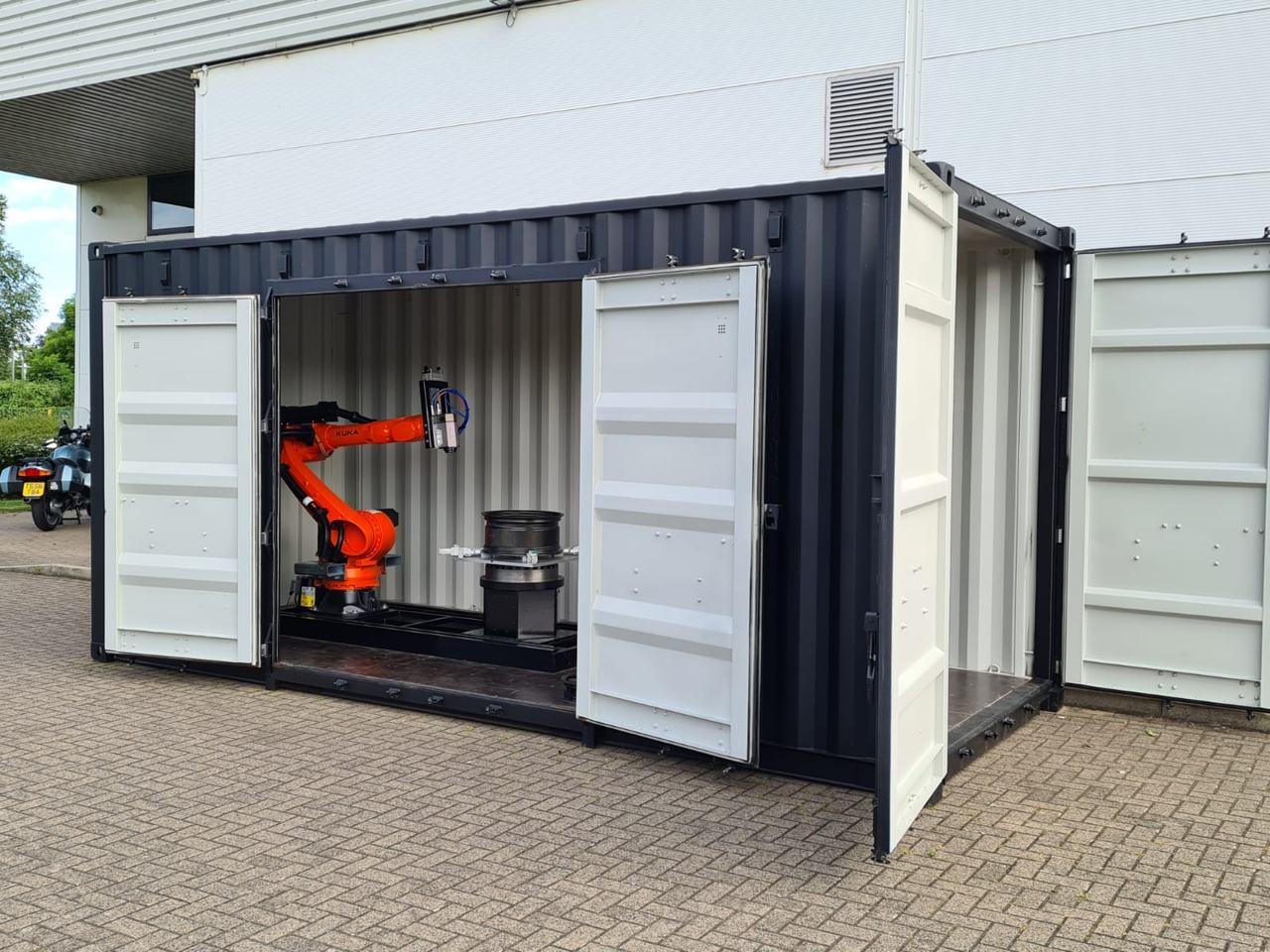
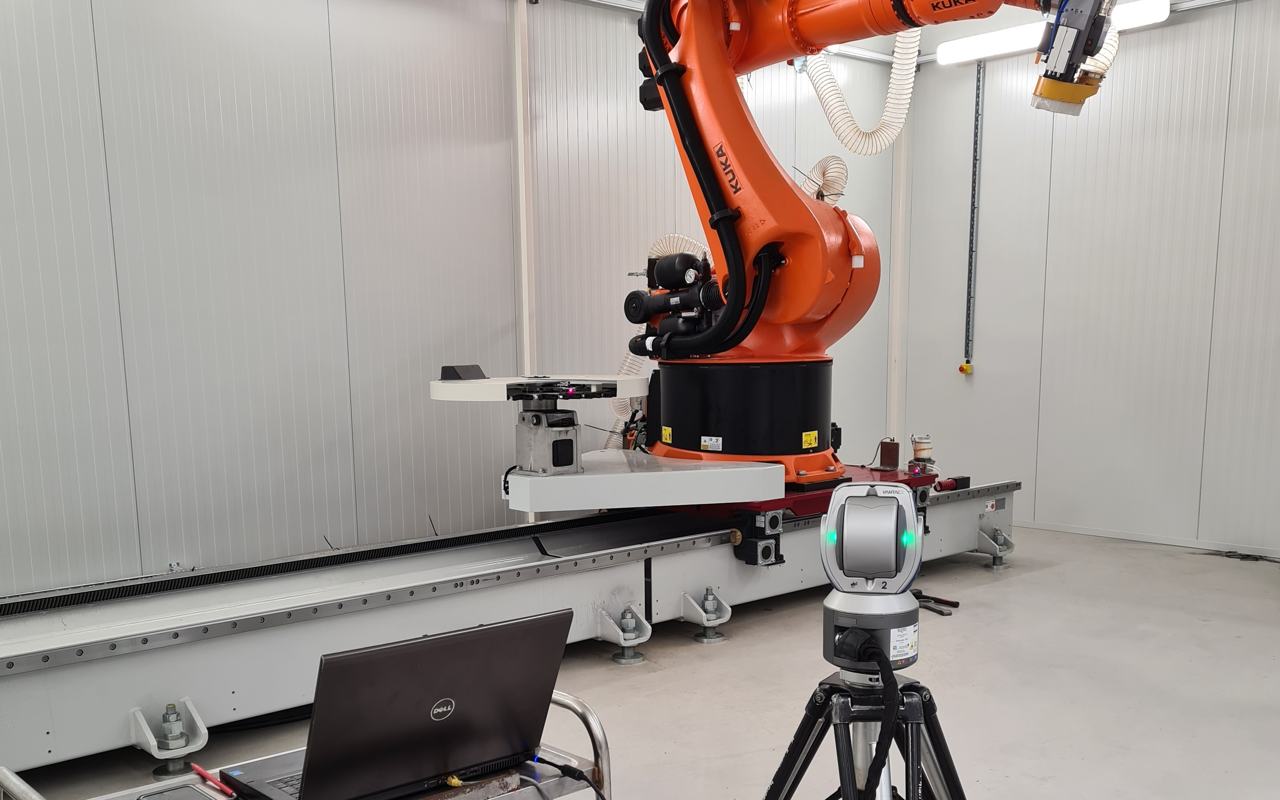
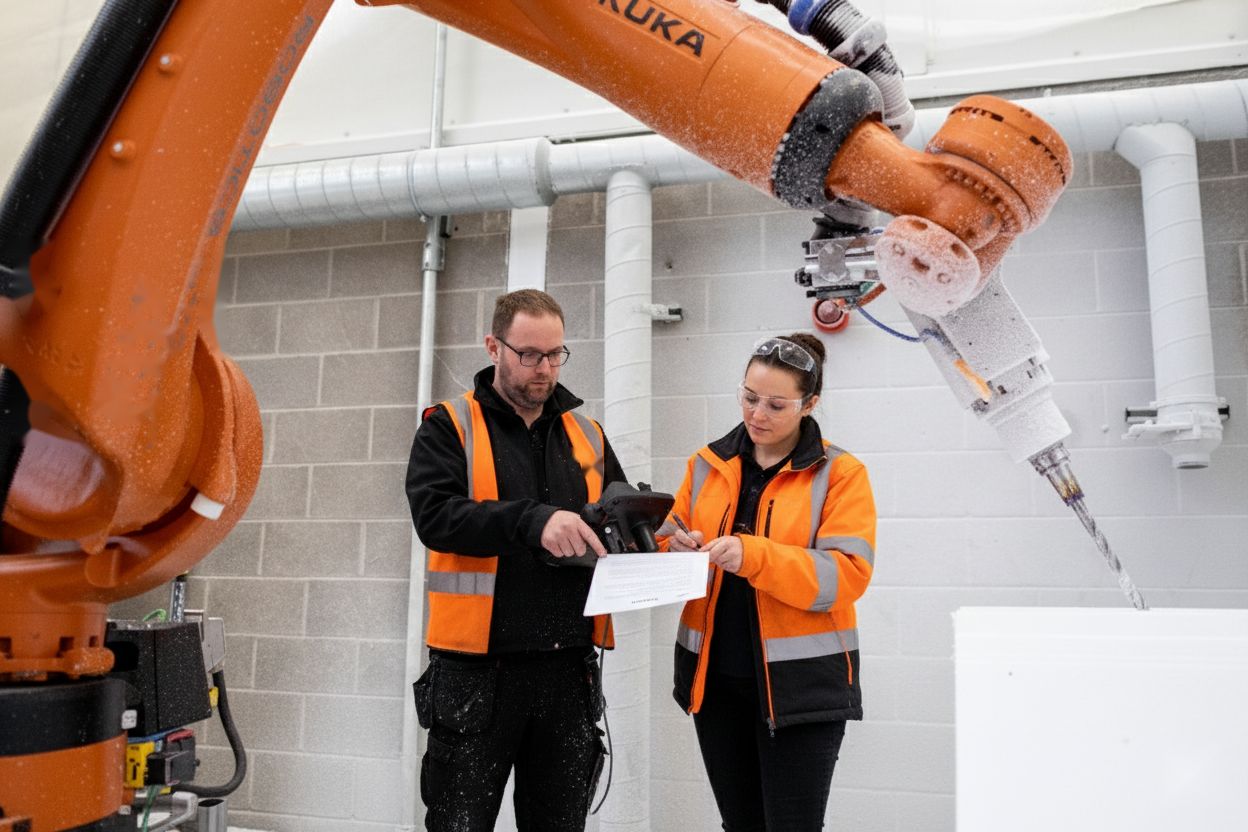
A six-axis industrial robot fitted with a milling spindle, mounted on a base or linear track inside guarding, driven by CAM software such as PowerMill or ENCY. It machines foam, tooling board, composites, timber, plastics and light alloys over a working envelope of several metres — far larger than a conventional CNC machine of the same cost.
How much does a robotic milling cell cost?
A mid-size cell — robot, controller, spindle, tooling, guarding, CAM and installation — is typically £180–300k as a turnkey package. Buying the same hardware direct from the manufacturers through the ARMS route usually removes 25–35% of that, because there is no integrator margin on the equipment. Every project is quoted on its own numbers.
What does ARMS actually do if I buy the equipment myself?
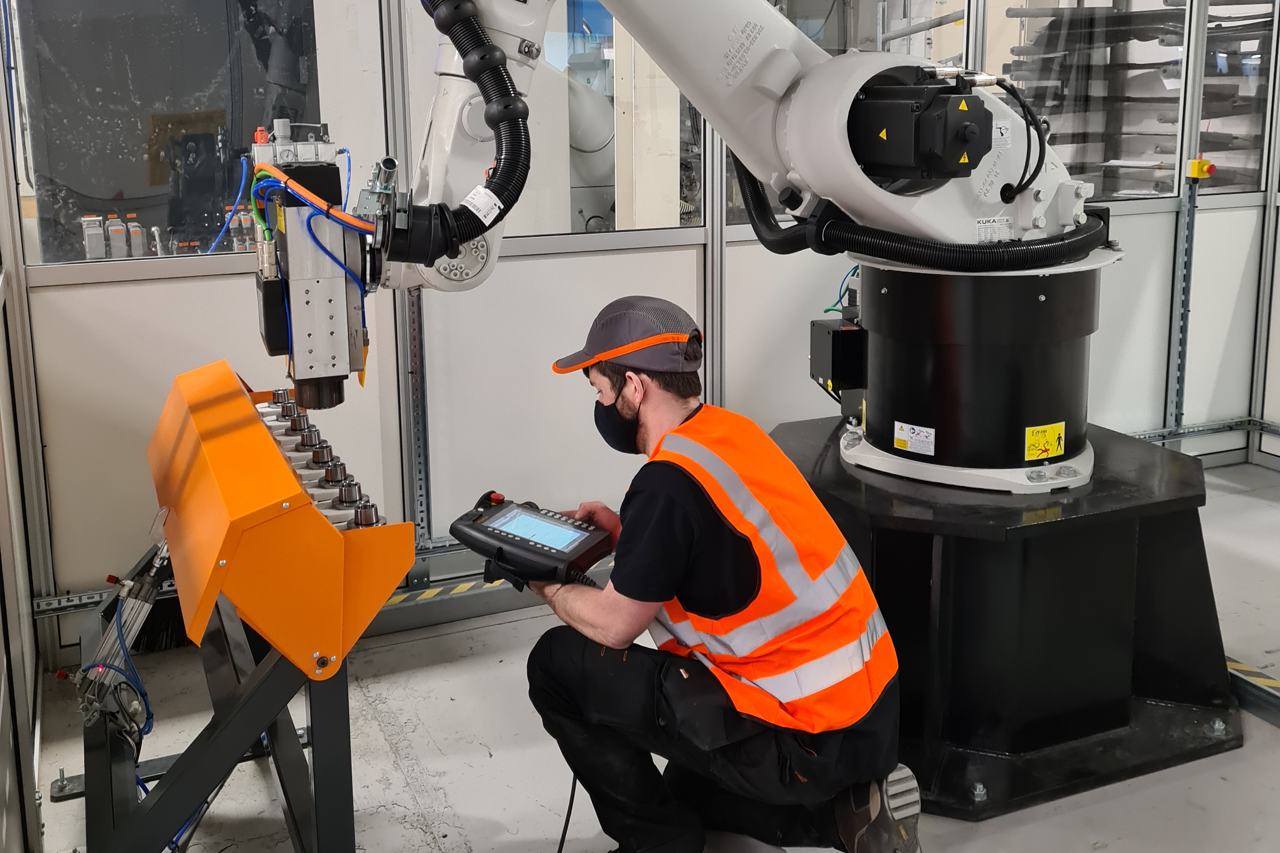
We do the parts that need machining expertise: consultancy to pick the right robot and spindle, a full specification and bill of materials, introductions to the manufacturers, then installation, calibration, commissioning, test cuts and training on site — followed by service and support contracts.
Which robots and spindles do you work with?
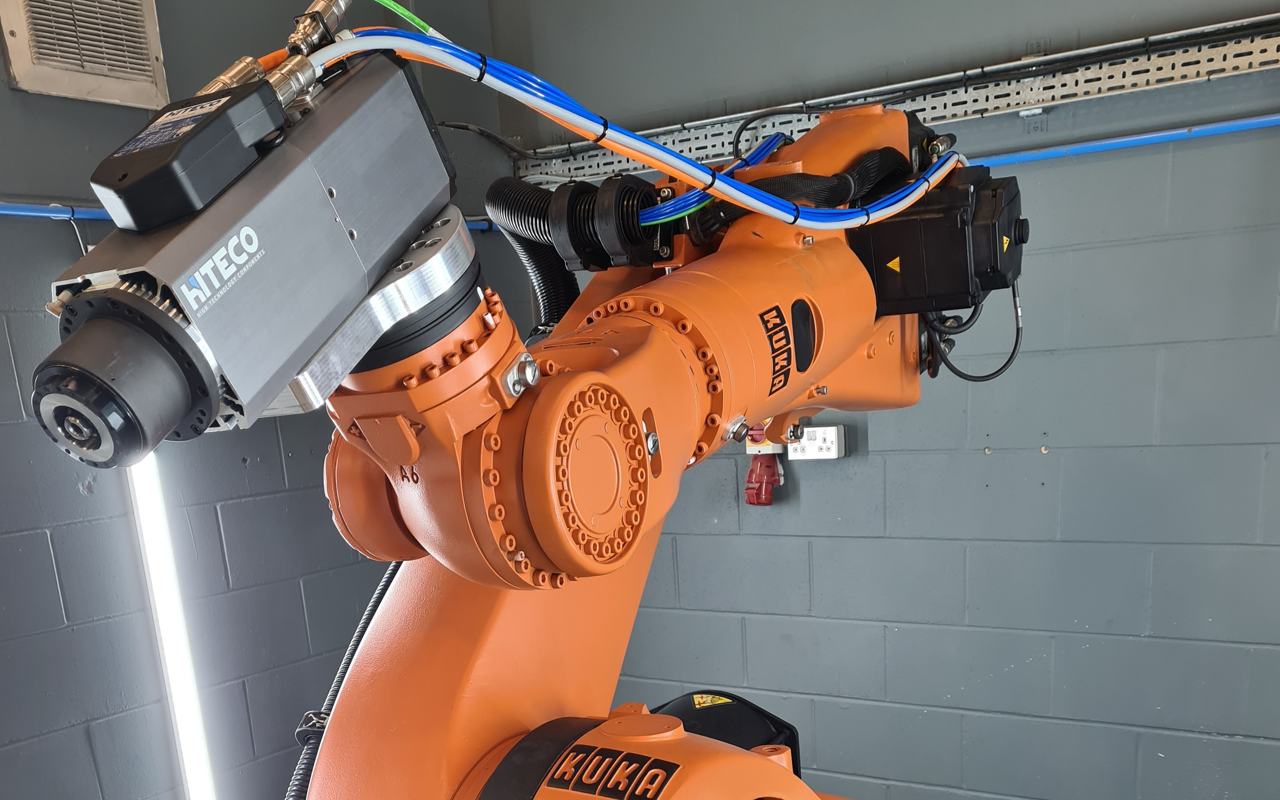
We specify KUKA industrial robots — KR Quantec and KR Fortec class for machining — with Hiteco electrospindles, and we work with the CAM packages already common in robotic machining: Autodesk PowerMill, ENCY and others. If you already own a robot, we can assess it for machining. We also supply complete Hiteco spindle kits — spindle, mounting, tool interface and drive — from £25k.
How accurate is robot machining?
With the right robot, a stiff spindle mount, calibration and sensible cutting parameters, robotic machining holds around ±0.1–0.3 mm over large envelopes — ideal for patterns, moulds, props, composites and finishing. For tight-tolerance metal cutting a machining centre is still the right tool, and we will tell you so.
Where are you based and where do you work?
ARMS is based in the Liverpool City Region and installs and supports cells across the UK, with overseas projects by arrangement. The founders specified, installed and supported robotic machining cells across the UK and abroad for sixteen years at CNC Robotics.
Do you support cells you did not install?
Yes. Service, calibration, spindle replacement, software updates and retraining are available for existing robotic machining cells, whoever built them.
 Stage 01 · Consult